Springtime in Korea: A Guide for Indian Travelers
한국의 봄: 인도인 여행객을 위한 가이드
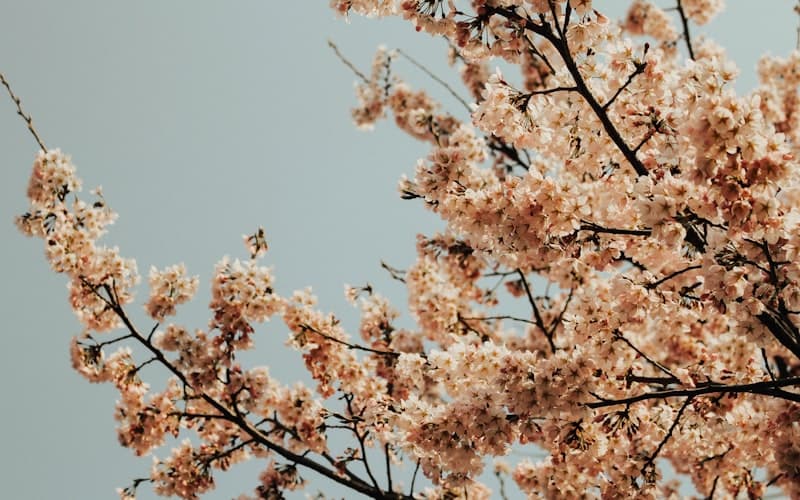
Spring in South Korea, typically spanning from late March to May, is arguably the most enchanting time to visit. For Indian students and families, this season offers a refreshing escape from the intense heat of the subcontinent, replacing it with crisp, cool air and the breathtaking spectacle of blooming cherry blossoms. It is a time when the Korean landscape transforms into a canvas of soft pinks and vibrant greens, making it perfect for educational tours and cultural immersion.
The weather during spring is generally mild, with temperatures ranging from 10°C to 20°C. For travelers coming from India, this can feel quite chilly, especially in the early mornings and evenings. We recommend dressing in layers. A light jacket, a comfortable sweater, and a sturdy pair of walking shoes are essential. Don't forget a light scarf—it is both a versatile fashion accessory and a practical tool for sudden temperature drops. While the sun is pleasant, remember that the spring sun can be deceivingly strong; carry sunscreen and sunglasses to stay comfortable during long outdoor excursions.
One of the highlights of spring is the Cherry Blossom season. The Jinhae Gunhangje Festival is a must-visit, offering a surreal experience as petals rain down like snow. For those interested in history and culture, the Gyeongju Cherry Blossom Marathon and the surrounding ancient ruins provide a unique blend of nature and heritage. In Seoul, the Yeouido Spring Flower Festival is a vibrant celebration that students will find particularly engaging, with plenty of photo opportunities and local performances.
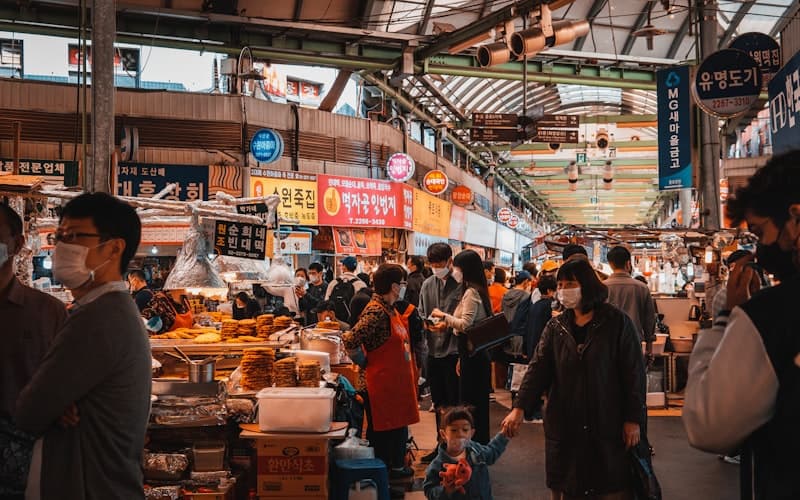
Food is a vital part of the Korean experience. Spring brings fresh seasonal produce, including mountain herbs (namul) and wild greens, which are fantastic for vegetarian travelers. Many traditional Korean restaurants offer 'Bibimbap' (mixed rice with vegetables) or 'Pajeon' (scallion pancakes), which are naturally vegetarian-friendly. If you are looking for specific dietary needs like Jain or Halal, Seoul’s Itaewon district and major tourist hubs offer a variety of specialized restaurants. Always carry a translation card specifying your dietary restrictions to ensure a seamless dining experience.
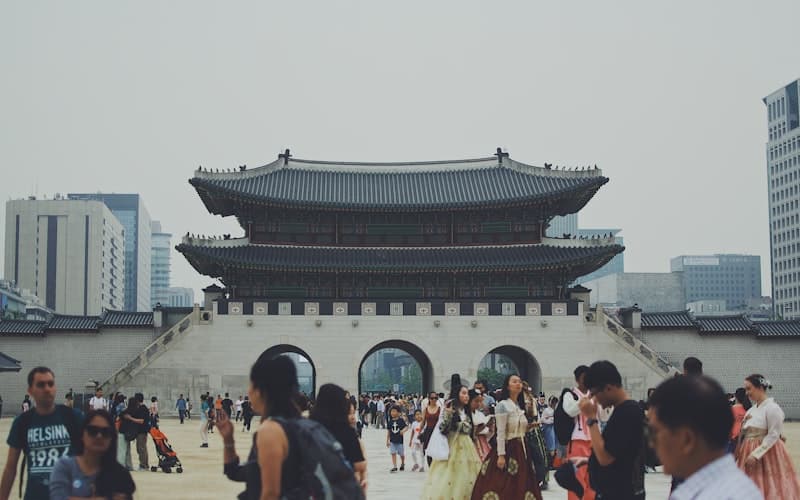
Spring is also the peak tourist season, which means popular sites can get quite crowded. To make the most of your trip, try to visit major landmarks early in the morning. Group travel logistics can be complex, so we recommend booking your transport and entry tickets in advance through our curated itineraries. Also, be mindful of the 'yellow dust' season; carrying a few high-quality masks is a common practice among locals and a smart health tip for international visitors.
Cultural etiquette is highly valued in Korea. A simple bow when greeting someone or using both hands when giving or receiving items goes a long way. Koreans appreciate when visitors show interest in their customs, so don't be afraid to ask your tour guide about local traditions. Whether you are exploring the bustling streets of Seoul or the serene temples of Gyeongju, Korea in spring is an experience that will stay with you forever.
Ready to experience the beauty of the Korean spring? Our 'Seoul-Gyeongju-Jeju' package is designed to provide the perfect balance of education, culture, and nature. Book your tour today and embark on an unforgettable journey!
Planning a Korea School Trip?
This story is connected to one of our tour packages. Explore the full itinerary and pricing.
Share this article